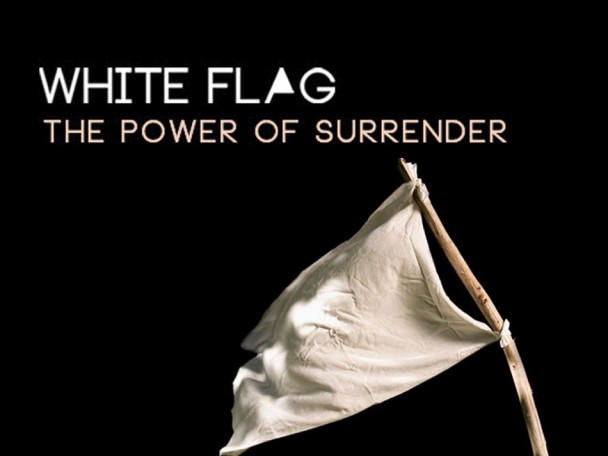
What is a symbol and what does it mean? What do you think? Sometimes a symbol doesn't have a deep meaning like we think. There are some symbols that have a meaning we know, like the meaning of a white flag. When a symbol can be taken down to one meaning, then it is an allegory. An allegory is a story, or poem, or picture that can be interpreted to reveal a hidden meaning, typically a moral or political meaning. A good example is John Bunyan's, "The Pilgrims Progress." I know that in past English classes I've taken whenever we read a story, poem, or passage we are always told to look for the the different symbols. We are told to break down the reading and analyze it.
Foster explains that if we want to find symbols in a reading we must ask questions, have prior knowledge and experience. For example the cave can have many meanings like in "A Passage to India." In order to figure out what the meaning behind it is you have to use the three things: experience, knowledge and questions. Many authors use symbols to emphasize things that they want to emphasize in their story. Symbols are a way to give author's work color and make their story interesting, instead of actually writing about a character giving up, they can include a white flag, since we all know a white flag means surrender.
In the story, "A Passage to India," they explain how she is innocent, and in a situation where she is about to face something she hasn't which is what the cave stands for. The cave stands for experience. The author includes a cave, because it signifies the known, and in order for her to know what is in that cave, she needs to experience it. Instead of directly approaching and being forward, they use a symbols.
Sometimes readers will see a symbol differently and it's true. Whenever we are in class, and our teacher would ask the students in the class what they thought a certain thing in the story/passage meant, every student would have a different input of what they though it could mean. Sometimes a symbol in a reading is an event or action. Us as readers, are what give the author and its symbols life. Our imagination, and creativity especially is what helps a lot when reading and defining symbols. As students at Booker T. Washington HSPVA our minds is what puts these stories together. We feel what the author writes, and we are all different and unique, so we interpret the story and the symbols in it in different ways. The author writes his/hers story story and adds/includes symbols for special effects. The authors includes a symbol, allegory, a quote, a verse from the bible, or even a piece of borrowed literature to make their work more interesting, and engage their reader. Once we are engage our minds begin to work, and it starts analyzing what we are reading, and we begin to look for things like symbols in the reading.
If you think it's a symbol it probably is. A symbol helps the story become meaningful and engaging. There are symbols in pretty much everything you read. If you rad a small passage to a full novel,you will find a lot of symbolism. There are some symbols that are already known to us, but it can have a different meaning depending on the story and how it is used. It's our job as readers to identify the symbol. Whether it's a symbols we already know, or a different symbol that the authors includes, symbols are good for reading. It helps the author and their work.